
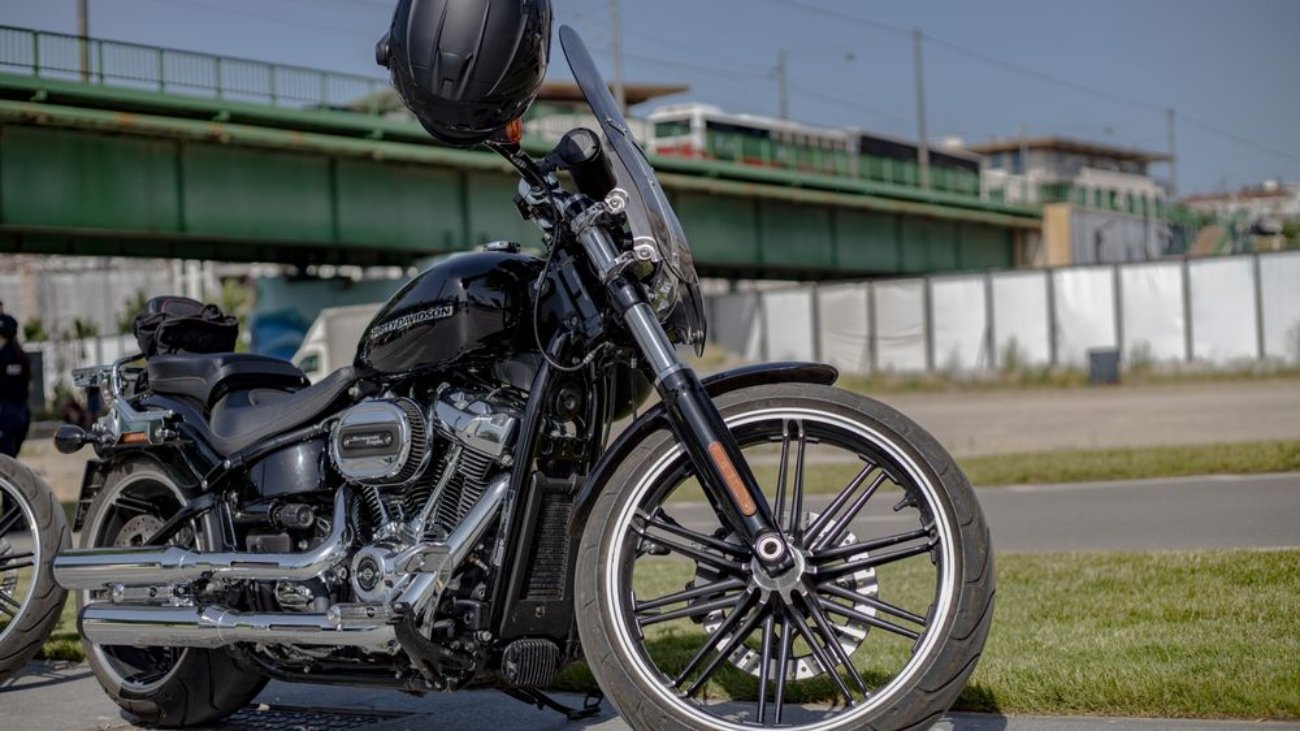
A rumor has been spreading online that Harley-Davidson is shutting down its dealerships and going out of business. Riders are panicking. Some people are asking whether it’s even safe to buy a new Harley right now.
The short answer is no — Harley-Davidson is not going out of business. But the longer answer is more complicated, and you deserve the full picture.
This article covers what the financial data actually shows, why dealerships are closing, what Harley is doing in response, and what it all means for riders and buyers today.
Harley-Davidson Is Not Going Out of Business — But It Is Under Real Pressure
There is no bankruptcy filing. There is no announced corporate shutdown. There is no credible evidence that Harley-Davidson Motor Company is about to liquidate.
What is true is that Harley is facing significant financial and strategic stress — more than it has in decades. Dismissing the concern entirely would be wrong. But so would treating every alarming headline as proof the company is finished.
The goal here is simple: separate the rumor from the reality, and explain what is genuinely happening.
What the 2024 Financial Report Actually Revealed
Harley’s 2024 annual report was not good reading. According to an analysis by New Atlas, the report showed a revenue decline of more than 60%. That is a sharp and serious drop by any measure.
To put that in context, Harley today is reportedly selling roughly half the number of motorcycles it sold at its mid-2000s peak. That’s not a blip — it’s a structural problem.
In response, CEO Jochen Zeitz and the leadership team have announced a series of significant moves:
- Inventory reduction — clearing existing stock, reportedly even at a loss
- Production slowdown — manufacturing fewer motorcycles to match lower demand
- Operating cost cuts — reducing spending across the business
- Anticipated layoffs — expected cuts to both plant workers and salaried positions
- Cancellation of the annual Homecoming Festival — dropped as a cost-saving measure
Think of the inventory situation like a clothing brand that over-ordered last season’s styles. To clear space, they discount heavily and take a short-term loss — then slow down new production until demand catches up. That appears to be exactly what Harley is doing right now.
There is also speculation — and it is speculation, not confirmed policy — that Harley may scale back or cut its electric motorcycle program entirely to reduce costs. That has not been officially announced, but it reflects how tight the financial situation has become.
Why Harley Dealerships Are Closing Across the U.S.
This is where much of the confusion starts. Dealerships have been closing, and that’s real. But dealership closures do not mean the manufacturer is shutting down.
Long-established Harley dealerships have permanently closed in California, Illinois, Louisiana, Florida, New York, and elsewhere. One notable example: Harley-Davidson of Staten Island, which had roots in a 110-year-old local motorcycle legacy, announced it would close and liquidate all of its inventory and equipment.
The reasons vary by location. Some closures come down to declining local sales. Others involve poor management, rising operating costs, or changing neighborhood economics. In some cases, Harley’s own push into e-commerce has reduced foot traffic at physical dealerships and cut into the margins dealers depend on.
Here’s the key distinction: Harley dealerships are independently owned franchises. Harley corporate does not own or operate most of them. When a franchised dealer closes, it is a business decision made at the local level — not a signal that Harley itself is shutting down.
The analogy that works best here is Ford. If Ford dealerships close in certain cities because local sales are weak, Ford Motor Company is not going out of business. The same logic applies to Harley. Independent franchise closures and corporate failure are two different things.
It’s also worth noting that some early panic online was caused by a much simpler misreading: temporary holiday closures around Christmas and New Year were mistaken for permanent shutdowns. That kind of misinformation spreads fast.
The Real Long-Term Problem: Who Is Actually Buying Harleys
The financial numbers are a symptom. The underlying problem is about who Harley’s customers are — and whether that customer base is growing or shrinking.
Harley built its brand on a specific type of rider: older, higher-income, brand-loyal, and drawn to large cruiser motorcycles. That demographic has kept the company profitable for decades. But it’s also aging out, and not enough younger riders are replacing them.
Younger riders tend to prefer motorcycles that are lighter, more affordable, and more versatile. Brands like Honda, Royal Enfield, Indian, and BMW are offering bikes with nostalgic styling, strong performance, and lower price points — and those bikes appeal to a much wider age range.
Critics also argue that Harley has drifted away from the identity that made it famous. The brand built its reputation on being loud, bold, and unapologetic. Some feel that recent years of corporate messaging, sustainability buzzwords, and high-priced niche models have disconnected the brand from the riders who made it matter.
Whether that criticism is fully fair or not, the sales numbers suggest something important has shifted in how Harley is perceived — especially by people who don’t already own one.
What This Means if You Own a Harley or Are Thinking of Buying One
If you already own a Harley, the most practical concern is access to service. Fewer local dealerships means you may have to travel further for warranty work, parts, or routine maintenance. That’s a real inconvenience worth planning for.
Parts availability should be fine for now — Harley still manufactures bikes and maintains a supply chain. But if the company’s financial position worsens significantly over the next several years, long-term parts support becomes a more legitimate question.
If you’re thinking about buying a new Harley, the company is still producing motorcycles and dealerships are still operating across the country. You are not buying from a company on the edge of collapse. But you should know where your nearest dealership is, check that it’s stable, and factor in what your service options look like if that location closes.
For anyone considering opening a Harley dealership, the current data points to real risk. Margins are under pressure, sales are down, and the brand is actively trying to reduce dealer inventory rather than grow it.
Has Harley Been Here Before?
Yes — and that’s worth knowing, even if it doesn’t guarantee anything about the future.
Harley nearly collapsed in the early 1980s. The company had been acquired by AMF, quality had suffered, and Japanese manufacturers were dominating the market. A group of executives bought the company back and rebuilt it around brand identity, quality, and rider culture. It worked.
The company has survived serious downturns before by going back to what made it matter to its customers. Whether it can do that again, in a market that looks very different from the 1980s, is the real question facing Harley today.
For business context and analysis on company turnarounds and financial trends, The Business Marker covers these kinds of stories in practical, straightforward detail.
The Bottom Line
Harley-Davidson is not going out of business. There is no shutdown, no bankruptcy, no corporate liquidation on the table.
But the company is in genuine trouble. A 60-plus percent revenue decline, falling sales volumes, dealership closures across multiple states, production slowdowns, and anticipated layoffs are not small problems. They are signs of a company that needs to make significant changes to stay relevant.
The dealership closures are real but are not proof of corporate failure — they reflect a combination of local pressures, shifting economics, and a weakened relationship between Harley and a new generation of riders.
Whether Harley finds its way through this or continues to shrink will depend on whether it can reconnect with what made people care about the brand in the first place. That’s not guaranteed. But it’s not over either.
If you’re a rider, a buyer, or just someone trying to cut through the noise — now you have the actual picture.
Read Also: